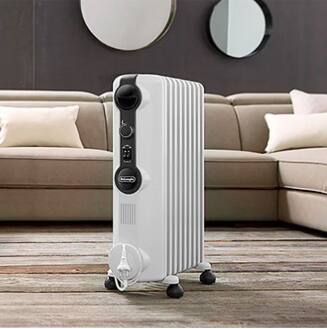
What is a Dehumidifier?
A dehumidifier is a household appliance designed to reduce and control the humidity levels in a room or an enclosed space. It works by drawing in the moist air, extracting the excess moisture, and releasing dry air back into the room. Dehumidifiers are commonly used in areas with high humidity, such as basements, bathrooms, and laundry rooms, to maintain a comfortable and healthy environment.
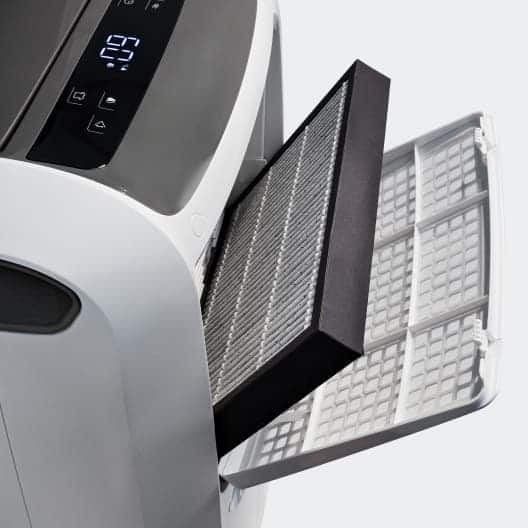
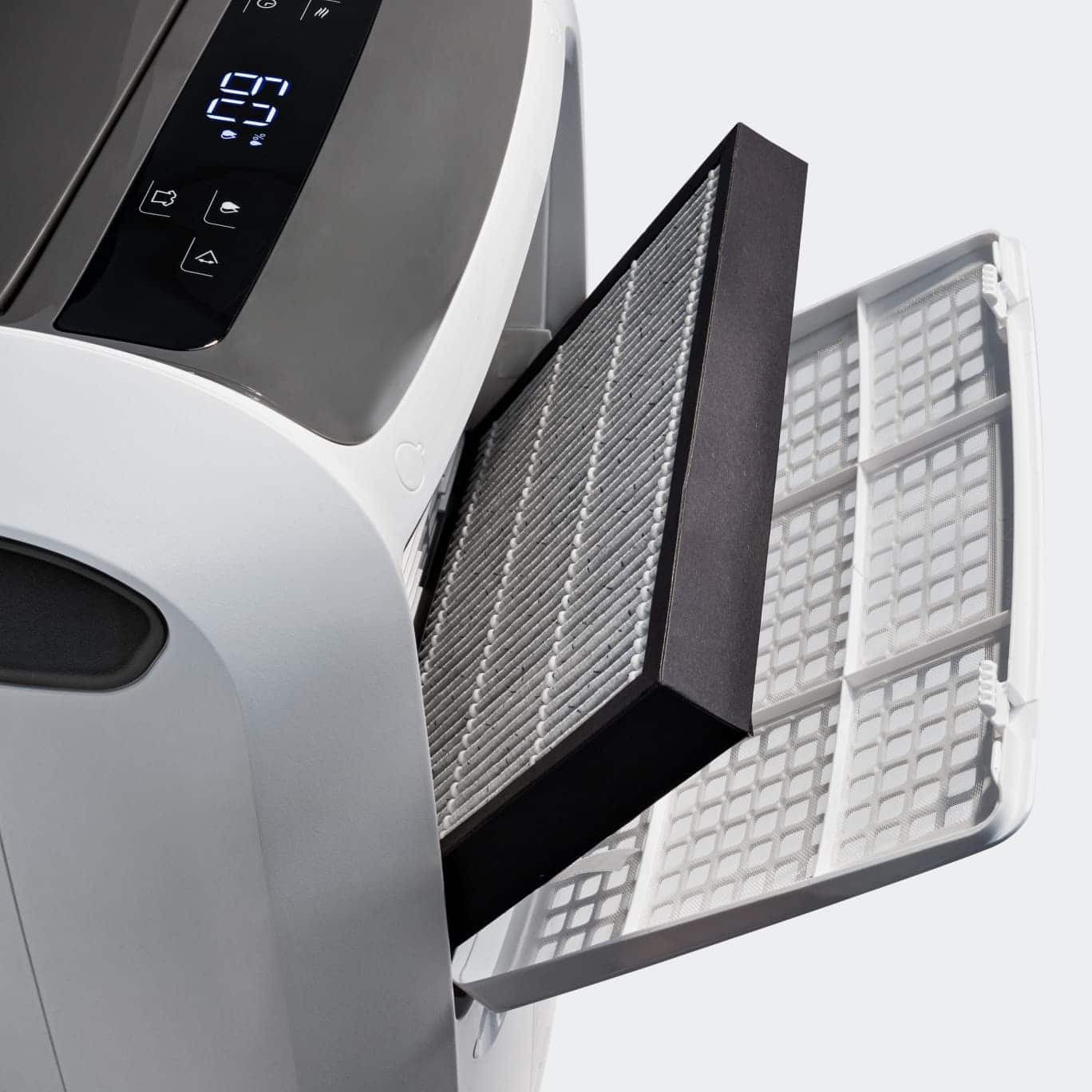
Pour une maison saine, certains de nos déshumidificateurs sont dotés de filtres 4-Action qui emprisonnent la majorité des polluants de l’air dangereux pour votre santé. En éliminant 99,96 %* des particules en suspension dans l’air, en emprisonnant des particules ultrafines comme le pollen, la poussière, la moisissure, les bactéries et les squames des animaux aussi fins que 0,1 micron, ils réduisent le risque de développer de l’asthme et des symptômes d’allergie.
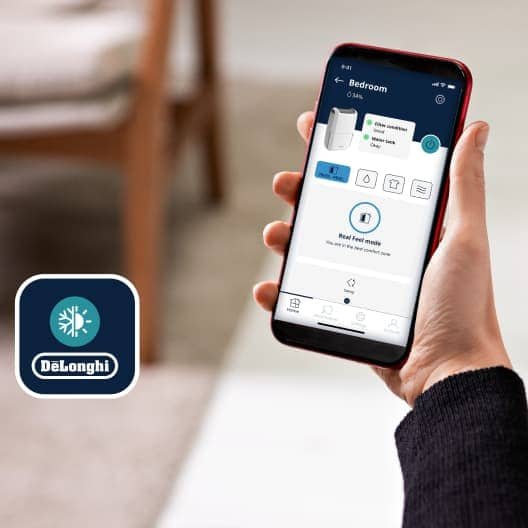
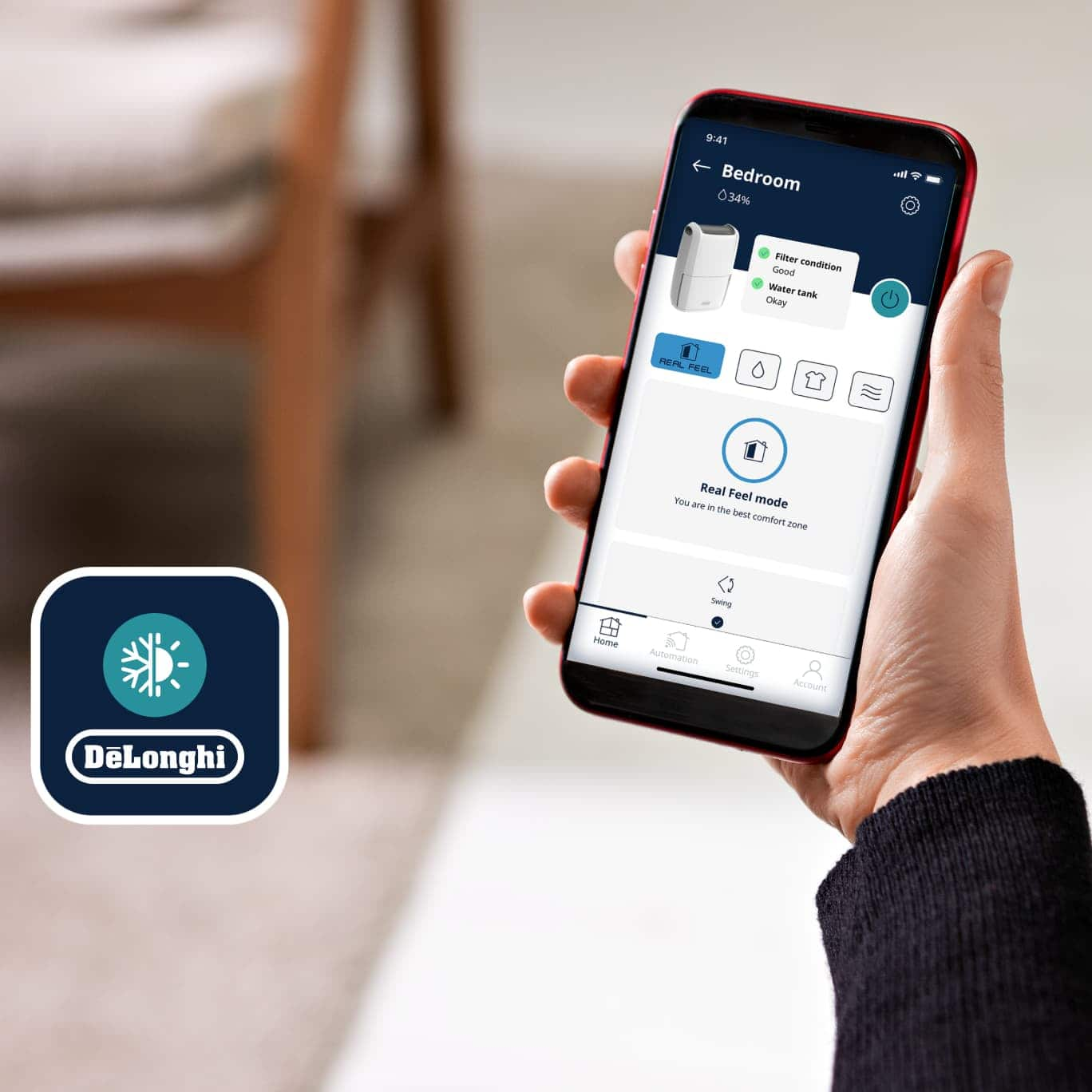
La fonction anti-moisissure de l’application contribue à tracer l’humidité. Vous pouvez facilement contrôler les fonctions, les durées de fonctionnement et les valeurs recommandées pour maintenir le niveau d’humidité idéal entre température et humidité ambiante dans votre maison.
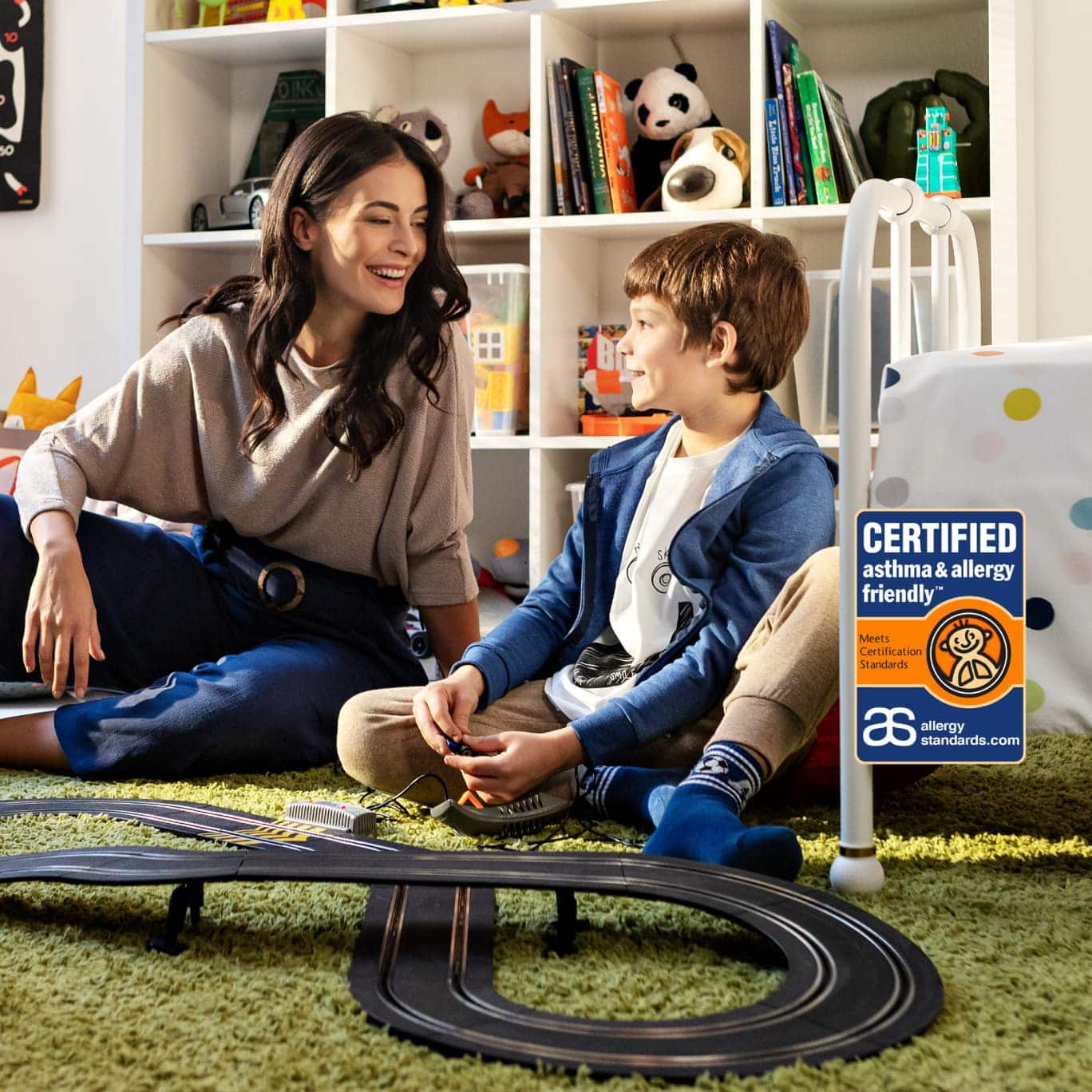
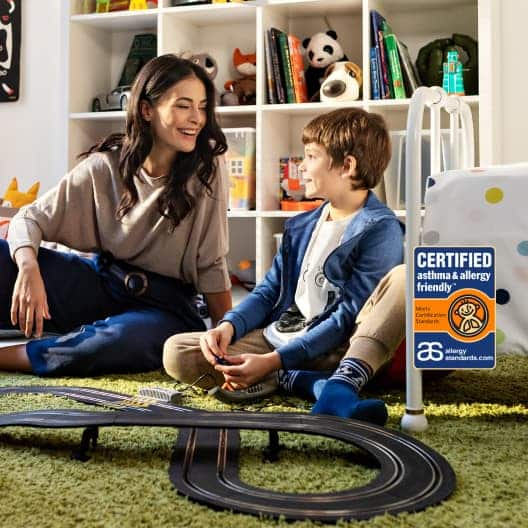
De'Longhi dehumidifiers are certified by the Allergy Standard Foundation* as a product suitable for people suffering from asthma and allergies, allowing you and your family to breathe easier and feel more comfortable.
For a healthy home, some of our dehumidifiers have 4-Action Filters to capture the majority of air pollutants that are harmful to your health. By removing 99.96%* of airborne particles, by capturing ultra-fine particles such as pollen, dust, mould, bacteria and pet dander right down to 0.1 microns, they reduce the risk of developing asthma and allergy symptoms.
The anti-mold function of the app helps to track the humidity. You can easily monitor functions, operating times and the recommended values to maintain the ideal humidity between temperature and humidity in your home.
Jak vybrat správný odvlhčovač vzduchu do místnosti

How to choose the right Dehumidifier for a room
To effectively set up a dehumidifier, you have first to consider the size of the room. Most dehumidifiers come with adjustable humidity settings, that can be adjusted based on personal comfort and prevailing humidity conditions. Additionally, the size of the room plays a crucial role in determining the dehumidifier's capacity. Larger rooms may require more powerful units, while smaller rooms may be adequately serviced by compact models. Most De'Longhi dehumidifiers are suitable for rooms up to 85m3 but some models can be used to dehumidify even bigger spaces, up to 150m3.
How to Correctly Use a Dehumidifier

How to Correctly Use a Dehumidifier
The correct use of a dehumidifier is important to maximise its effectiveness, hence it is always recommended to first check the operating instructions to see what specific guidelines apply to the operation of your model, before operating one.
Energy Consumption

Energy Consumption
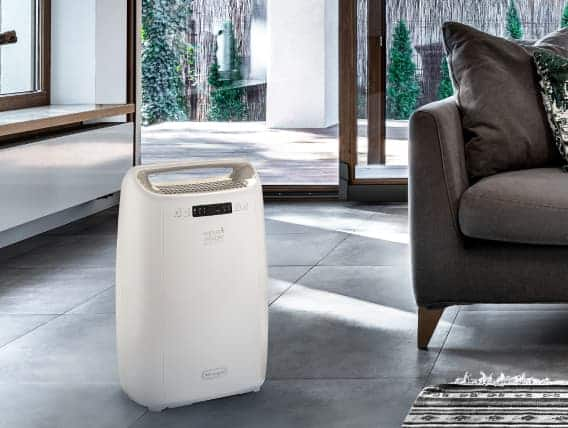
Dehumidifiers consume a different amount of electricity depending on their size, performance and use. To minimise energy consumption, choose a dehumidifier with adjustable settings. This allows you to programme the appliance to switch off when the desired humidity level is reached. Our "anti-mould function" helps save energy by optimising operating times. It monitors the room humidity compared to the set humidity level as well as the operating times and gives a suggestion to eliminate the excess humidity.
It automatically defines and achieves the perfect balance between temperature and humidity in each room of the house to guarantee your comfort zone.
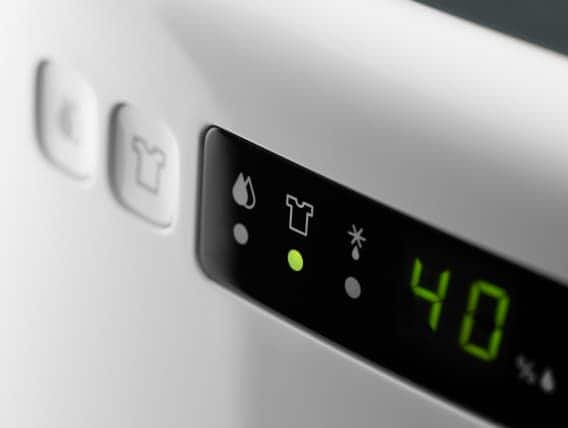
A simple display allows the consumer to track how long the dehumidifier has been working and how much it has reduced the humidity.
Which is Better: Dehumidifier or Air Conditioner?

Which is Better: Dehumidifier or Air Conditioner?
Dehumidifiers and air conditioners serve different purposes, although they both contribute to a comfortable indoor environment. Air conditioners primarily cool the air. On the other hand, dehumidifiers focus specifically on reducing humidity levels without lowering the temperature. If your main concern is high humidity, a dehumidifier is the ideal choice. However, in hot and humid climates, using an air conditioner with dehumidification capabilities can provide a comprehensive solution.
*Third party organisation test on MPPS particles according to EN 1822:2010. Efficiency referred to particles of 2.5 μm size at 80 m3/h speed – dehumidification and filtration active.