What is a Dehumidifier?
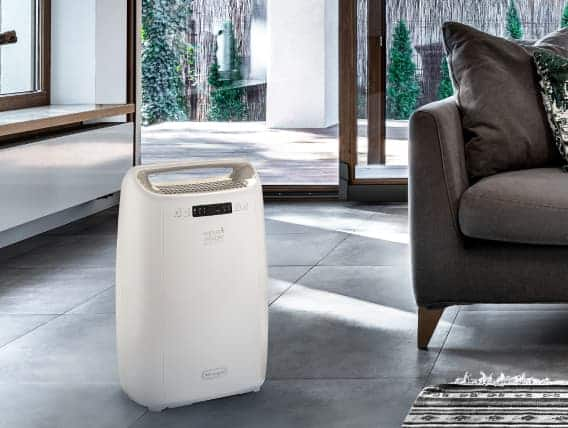
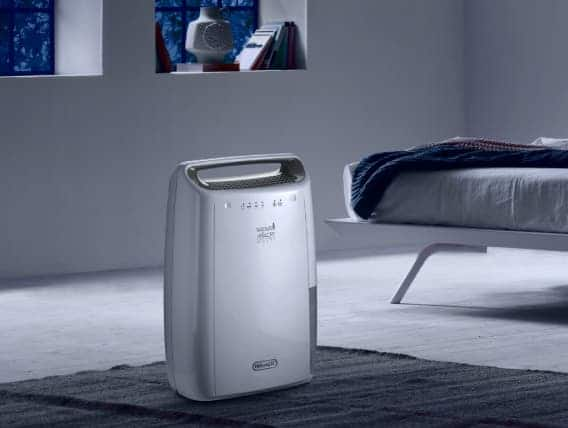
A dehumidifier is a household appliance designed to reduce and control the humidity levels in a room or an enclosed space. It works by drawing in the moist air, extracting the excess moisture, and releasing dry air back into the room. Dehumidifiers are commonly used in areas with high humidity, such as basements, bathrooms, and laundry rooms, to maintain a comfortable and healthy environment.
Using a dehumidifier offers several benefits, particularly in combating issues related to mold and cough. Excessive moisture in the air can lead to the growth of mold and mildew, which can trigger allergies and respiratory problems. By reducing humidity levels, dehumidifiers inhibit mold growth and help alleviate symptoms such as coughing, sneezing, and congestion. They create a healthier living environment by reducing allergens and improving indoor air quality.
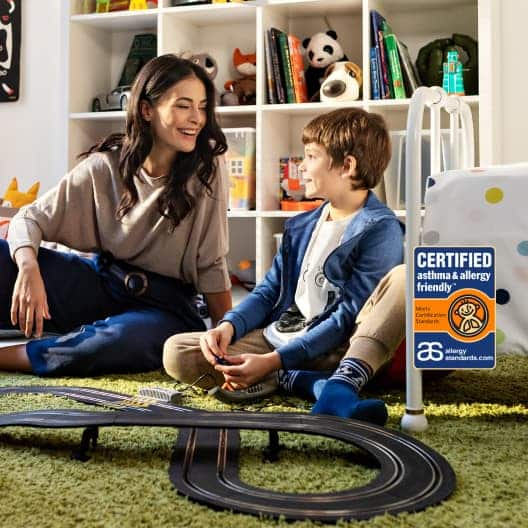
De'Longhi dehumidifiers are certified by the Allergy Standard Foundation* as a product suitable for people suffering from asthma and allergies, allowing you and your family to breathe easier and feel more comfortable.
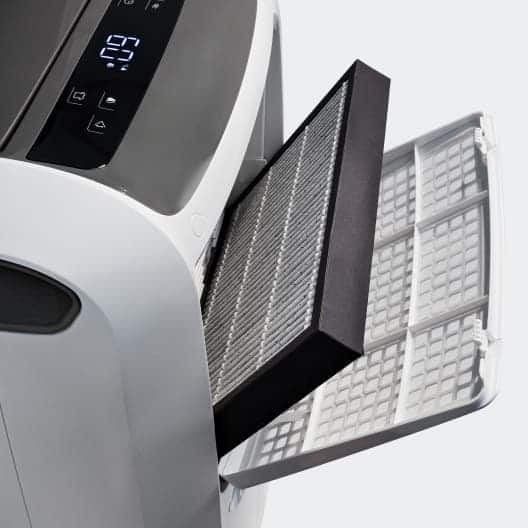
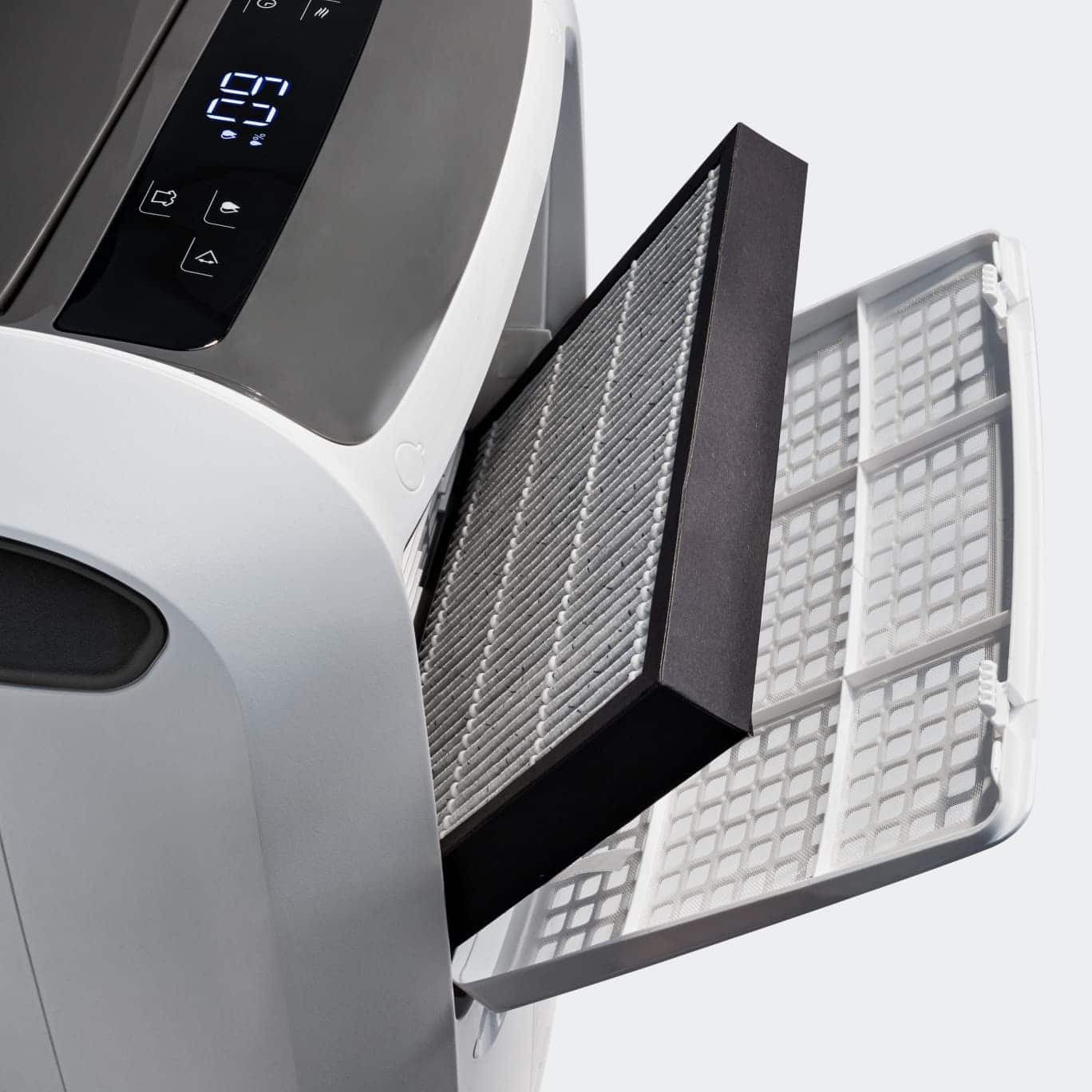
For a healthy home, some of our dehumidifiers have 4-Action Filters to capture the majority of air pollutants that are harmful to your health. By removing 99.96%* of airborne particles, by capturing ultra-fine particles such as pollen, dust, mould, bacteria and pet dander right down to 0.1 microns, they reduce the risk of developing asthma and allergy symptoms.
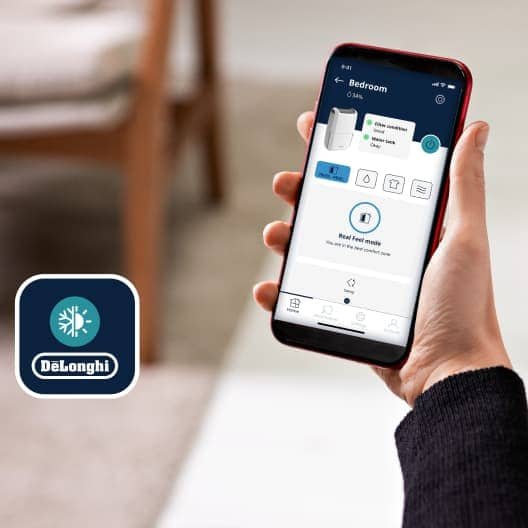
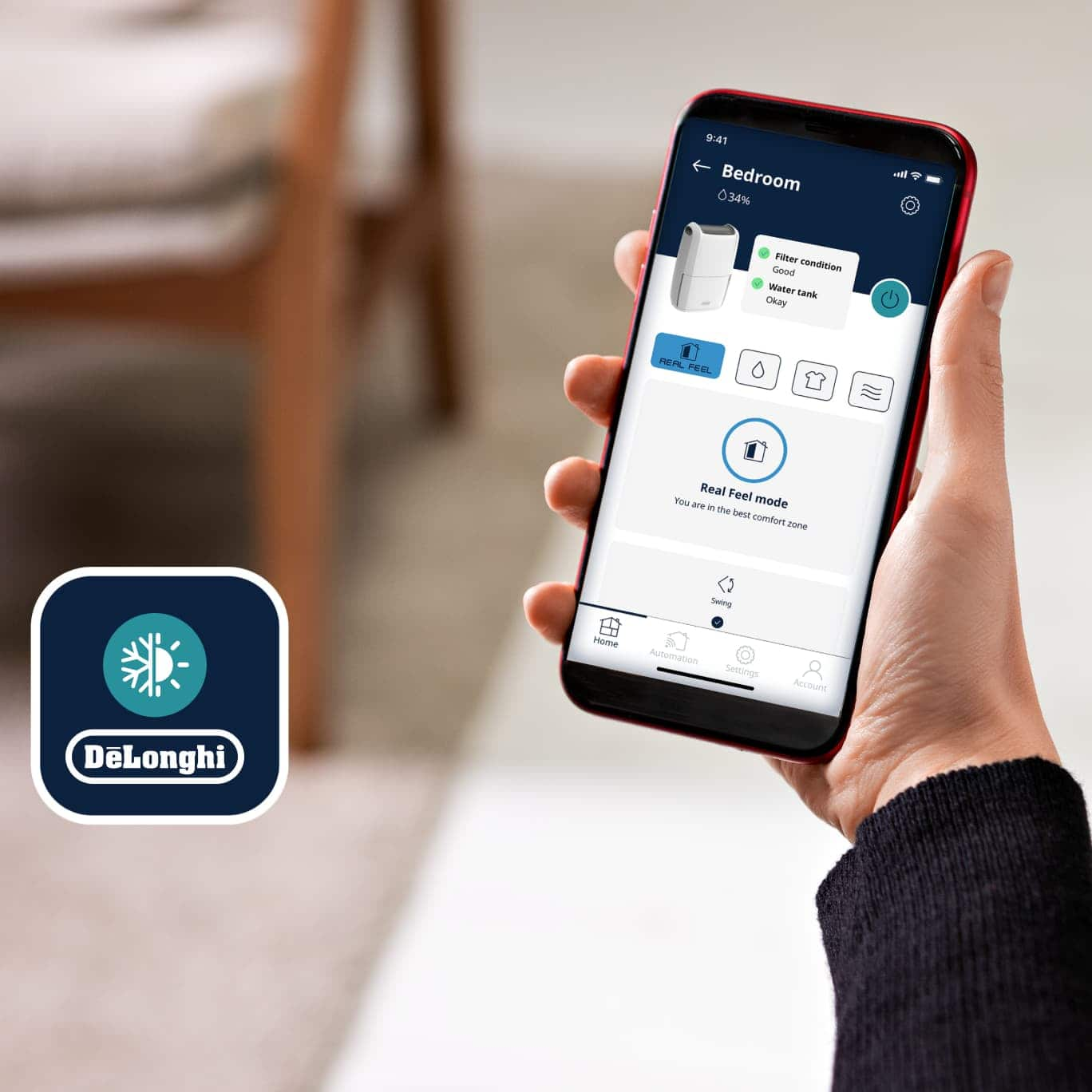
The anti-mold function of the app helps to track the humidity. You can easily monitor functions, operating times and the recommended values to maintain the ideal humidity between temperature and humidity in your home.
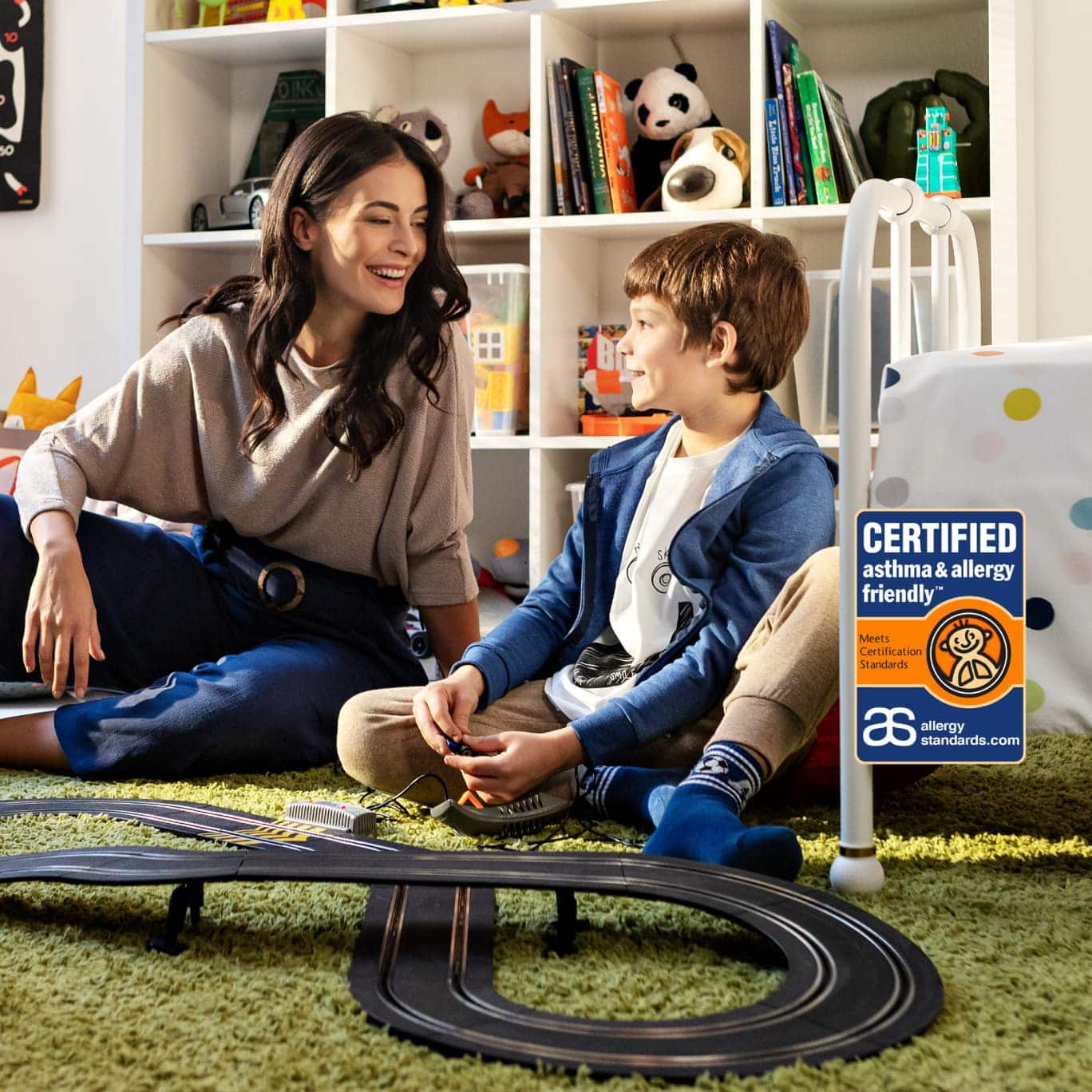
De'Longhi dehumidifiers are certified by the Allergy Standard Foundation* as a product suitable for people suffering from asthma and allergies, allowing you and your family to breathe easier and feel more comfortable.
For a healthy home, some of our dehumidifiers have 4-Action Filters to capture the majority of air pollutants that are harmful to your health. By removing 99.96%* of airborne particles, by capturing ultra-fine particles such as pollen, dust, mould, bacteria and pet dander right down to 0.1 microns, they reduce the risk of developing asthma and allergy symptoms.
The anti-mold function of the app helps to track the humidity. You can easily monitor functions, operating times and the recommended values to maintain the ideal humidity between temperature and humidity in your home.
Wie wählen Sie den richtigen Luftentfeuchter für einen Raum aus?

Comment choisir le bon déshumidificateur pour une pièce
Pour installer un déshumidificateur de manière efficace, il faut d’abord prendre en compte la taille de la pièce. La plupart des déshumidificateurs sont dotés de réglages de l’humidité ajustables selon votre confort personnel et l’humidité ambiante. En outre, la taille de la pièce joue un rôle primordial dans le choix de la capacité du déshumidificateur. Les pièces plus grandes nécessiteront des appareils plus puissants alors que les modèles compacts conviendront aux pièces plus petites. La plupart des déshumidificateurs De’Longhi conviennent aux pièces faisant jusqu’à 85 m3 mais certains modèles peuvent déshumidifier des espaces faisant jusqu’à 150 m3.
Comment utiliser correctement un déshumidificateur

Comment utiliser correctement un déshumidificateur
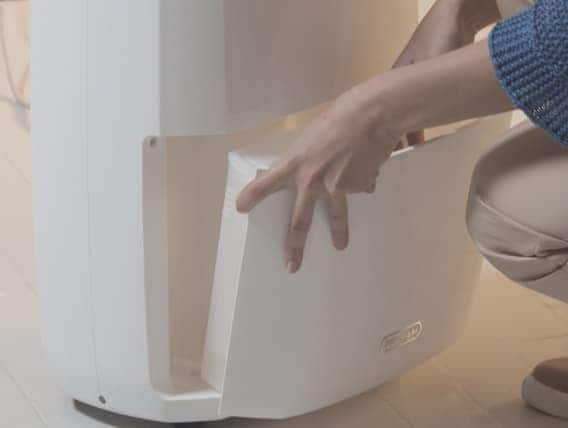
L’utilisation correcte d’un déshumidificateur est importante pour optimiser son efficacité. Il est donc toujours recommandé de consulter d’abord le mode d’emploi pour voir quelles directives s’appliquent au fonctionnement de votre modèle.
Energieverbrauch

Energieverbrauch
Luftentfeuchter verbrauchen je nach Grösse, Leistung und Verwendung unterschiedlich viel Strom. Um den Energieverbrauch zu minimieren, wählen Sie einen Luftentfeuchter mit einstellbarer Leistung. So können Sie das Gerät so programmieren, dass es sich ausschaltet, wenn die gewünschte Feuchtigkeitsstufe erreicht ist. Unsere «Anti-Schimmel-Funktion» hilft beim Energiesparen, indem sie die Betriebszeiten optimiert. Sie überwacht die Raumfeuchtigkeit im Vergleich zur eingestellten Feuchtigkeitsstufe sowie die Betriebszeiten und gibt Vorschläge zur Beseitigung der überschüssigen Feuchtigkeit.
Es definiert und erreicht automatisch das perfekte Gleichgewicht zwischen Temperatur und Luftfeuchtigkeit in jedem Raum des Hauses, um Ihre Komfortzone zu garantieren.
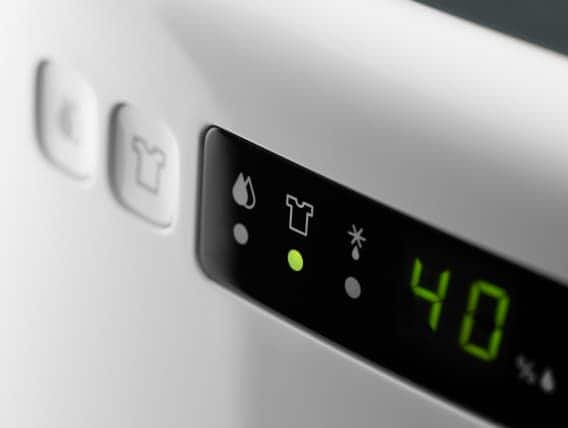
Über ein einfaches Display kann der Verbraucher verfolgen, wie lange der Luftentfeuchter bereits arbeitet und wie stark er die Luftfeuchtigkeit reduziert hat.
Was ist besser: Luftentfeuchter oder Klimagerät?

Which is Better: Dehumidifier or Air Conditioner?
Dehumidifiers and air conditioners serve different purposes, although they both contribute to a comfortable indoor environment. Air conditioners primarily cool the air. On the other hand, dehumidifiers focus specifically on reducing humidity levels without lowering the temperature. If your main concern is high humidity, a dehumidifier is the ideal choice. However, in hot and humid climates, using an air conditioner with dehumidification capabilities can provide a comprehensive solution.
* Test einer Drittparteiorganisation auf MPPS-Partikel gemäss EN 1822:2010. Die Effizienz bezieht sich auf Partikel mit einer Grösse von 2,5 μm bei einer Geschwindigkeit von 80 m3/h, bei aktiver Entfeuchtung und Filterung.
 Lieferung
 innerhalb von 2-4 Werktagen
Lieferung
Lieferung innerhalb von 2-4 Werktagen  Einfache Rückgabe
Innerhalb von 14 Tagen
Einfache Rückgabe
Innerhalb von 14 Tagen
 Zahlungen
Sichere Zahlungen
Zahlungen
Sichere Zahlungen